Discover Backup Power A Clear and Practical Guide for Homes, Businesses, and Critical Facilities
Benefits of Backup Power Systems
1. Continuity of Operations
Backup systems keep essential devices and systems running during outages.
2. Increased Safety
They support lighting, alarms, and medical equipment during emergencies.
3. Protection of Equipment
Sudden power loss can damage electronics; backup systems help prevent this.
4. Comfort and Convenience
Homes maintain heating, cooling, and basic appliances during outages.
5. Business Reliability
Minimizes downtime and potential financial losses.
6. Flexibility of Options
Various systems are available for different needs and budgets.
Limitations of Backup Power Systems
1. Initial Cost
Some systems, especially permanent installations, require significant investment.
2. Maintenance Requirements
Generators and batteries need regular inspection and servicing.
3. Fuel Dependency
Fuel-powered systems require storage and refilling.
4. Limited Runtime
Some systems operate only for a certain duration.
5. Space Requirements
Larger systems require dedicated installation space.
Types and Categories of Backup Power Systems
Backup power solutions vary based on capacity, technology, and application.
1. Portable Generators
Small, movable units used for temporary power supply.
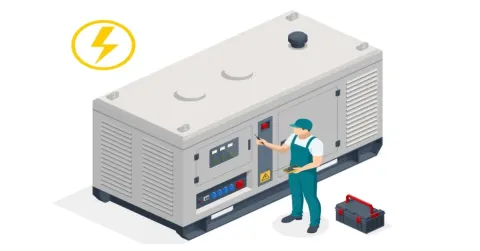
2. Standby Generators
Permanently installed systems that automatically start during outages.
3. Uninterruptible Power Supply (UPS)
Provides immediate short-term power for sensitive electronics.
4. Battery Energy Storage Systems
Store electricity for later use, often paired with solar systems.
5. Solar Backup Systems
Use solar panels and batteries to provide renewable backup power.
6. Hybrid Systems
Combine multiple energy sources, such as solar and generators.
Comparison Table: Common Backup Power Systems
| System Type | Power Source | Best For | Key Advantage |
|---|---|---|---|
| Portable Generator | Fuel | Short-term use | Mobility |
| Standby Generator | Fuel | Homes, businesses | Automatic operation |
| UPS | Battery | Electronics | Instant backup |
| Battery Storage | Electricity | Homes, solar users | Silent operation |
| Solar Backup | Solar energy | Sustainable use | Renewable power |
| Hybrid Systems | Mixed | Flexible needs | Versatility |
Latest Trends and Innovations in Backup Power
1. Smart Energy Management
Systems now include digital controls for monitoring and optimization.
2. Renewable Energy Integration
Solar and wind energy are increasingly used with backup systems.
3. Lithium-Ion Battery Technology
Modern batteries offer higher efficiency and longer lifespan.
4. Remote Monitoring
Users can monitor systems through mobile apps and cloud platforms.
5. Energy Efficiency Improvements
New designs reduce energy loss and improve performance.
6. Modular Systems
Expandable systems allow users to increase capacity as needed.
Key Features to Consider When Evaluating Backup Power Systems
1. Power Capacity
Ensure the system can handle required load.
2. Runtime
Determine how long the system needs to operate during outages.
3. Fuel or Energy Source
Consider availability and cost of fuel or electricity.
4. Automatic vs Manual Operation
Automatic systems provide convenience and reliability.
5. Noise Levels
Important for residential and indoor use.
6. Maintenance Requirements
Choose systems that match maintenance capabilities.
7. Installation Space
Ensure sufficient space for setup.
8. Safety Features
Look for overload protection and secure installation.
Leading Backup Power Companies
The following companies are known for backup power solutions:
| Company | Known For | Public Website |
|---|---|---|
| Generac | Home standby generators | https://www.generac.com |
| Schneider Electric | UPS and energy systems | https://www.se.com |
| Eaton | Backup power and UPS | https://www.eaton.com |
| Cummins | Industrial generators | https://www.cummins.com |
| Tesla | Battery storage systems | https://www.tesla.com |
These companies provide technical resources, product specifications, and support services.
How to Choose the Right Backup Power System
Step 1: Identify Power Needs
List essential devices and calculate total power requirements.
Step 2: Determine Runtime
Decide how long backup power is needed.
Step 3: Choose Power Source
Select between fuel-based, battery, or renewable systems.
Step 4: Evaluate Installation Requirements
Check space, ventilation, and electrical setup.
Step 5: Compare System Types
Match features with your specific needs.
Step 6: Consider Budget
Balance initial cost with long-term benefits.
Step 7: Review Maintenance Needs
Choose systems that are easy to maintain.
Backup Power Selection Checklist
- Power requirements calculated
- Runtime needs defined
- System type selected
- Fuel or energy source chosen
- Installation space assessed
- Noise levels considered
- Maintenance requirements reviewed
- Safety features checked
- Supplier support verified
- Budget planned
Tips for Best Use and Maintenance
- Test backup systems regularly
- Keep fuel supplies adequate
- Inspect batteries and connections
- Follow manufacturer maintenance schedules
- Ensure proper ventilation for generators
- Train users on safe operation
- Monitor system performance
Frequently Asked Questions About Backup Power
1. What is the best backup power system for a home?
It depends on power needs, budget, and available space.
2. How long can backup systems run?
Runtime varies based on system type and capacity.
3. Are battery systems better than generators?
Each has advantages; batteries are quieter, while generators offer longer runtime.
4. Do backup systems require professional installation?
Larger systems typically require professional setup.
5. Can backup power systems be used with solar panels?
Yes, many systems are designed to integrate with solar energy.
6. How often should systems be tested?
Regular testing is recommended to ensure reliability.
7. Are backup systems safe?
Yes, when installed and maintained properly.
Conclusion: A Practical Takeaway
Backup power systems are an essential part of modern life, providing reliability and security during power interruptions. Whether for homes, businesses, or critical facilities, these systems ensure that essential functions continue without disruption.
Choosing the right backup power solution requires understanding energy needs, system capabilities, and long-term requirements. With advancements in technology, backup systems are becoming more efficient, flexible, and environmentally friendly.
When properly selected and maintained, backup power systems offer dependable performance and peace of mind, helping users stay prepared for unexpected outages.