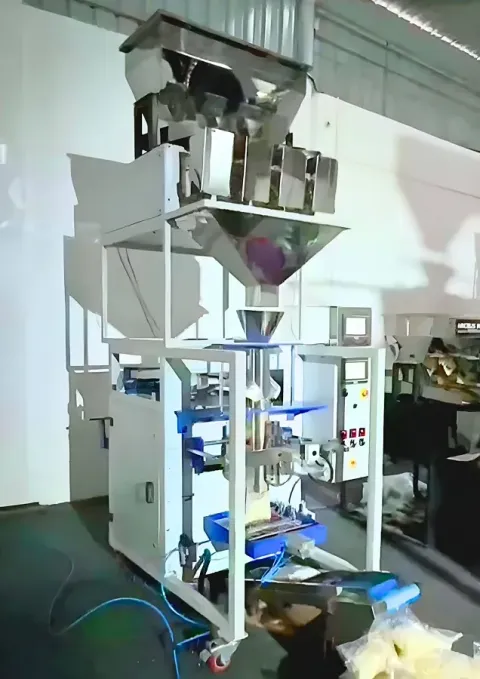
Discover Packing Machines A Clear and Practical Guide for Businesses, Manufacturers, and Learners
Benefits of Packing Machines
1. Increased Efficiency
Packing machines can process large volumes of products quickly.
2. Consistent Packaging Quality
Automated systems ensure uniform size, weight, and sealing.
3. Reduced Labor Costs
Automation reduces the need for manual packaging work.
4. Improved Hygiene
Machines minimize human contact, which is important in food and healthcare industries.
5. Product Protection
Proper packaging reduces damage during transport and storage.
6. Flexibility
Many machines can handle different product types and packaging formats.
Limitations of Packing Machines
1. Initial Investment
Purchasing and installing machines can be costly.
2. Maintenance Requirements
Regular servicing is needed to maintain performance.
3. Setup Complexity
Adjusting machines for different products may require time and expertise.
4. Space Requirements
Large machines require sufficient floor space.
5. Training Needs
Operators must be trained to use and maintain equipment properly.
Types and Categories of Packing Machines
Packing machines are categorized based on their function and application.
1. Filling Machines
Used to fill containers with liquids, powders, or solids.
2. Sealing Machines
Seal packages to protect contents, commonly used for bags and containers.
3. Wrapping Machines
Wrap products using materials such as plastic film or paper.
4. Labeling Machines
Apply labels to packages for identification and branding.
5. Vacuum Packing Machines
Remove air from packages to extend shelf life.
6. Form-Fill-Seal Machines
Form packages, fill them, and seal them in one continuous process.
7. Cartoning Machines
Place products into cartons or boxes.
Comparison Table: Common Packing Machine Types
| Machine Type | Function | Best For | Key Advantage |
|---|---|---|---|
| Filling | Dispense product | Liquids, powders | Accurate filling |
| Sealing | Close packages | Bags, containers | Secure packaging |
| Wrapping | Cover products | Consumer goods | Flexible use |
| Labeling | Apply labels | All industries | Product identification |
| Vacuum | Remove air | Food products | Longer shelf life |
| Form-Fill-Seal | Full packaging process | High-volume production | Automation |
| Cartoning | Box packaging | Retail products | Organized packing |
Latest Trends and Innovations in Packing Machines
1. Automation and Robotics
Modern systems use robotics to improve speed and precision.
2. Smart Packaging Systems
Machines integrate with digital systems for monitoring and control.
3. Sustainable Packaging Solutions
Focus on reducing waste and using eco-friendly materials.
4. Modular Machine Designs
Flexible systems allow easy upgrades and customization.
5. IoT Integration
Connected machines provide real-time data and performance tracking.
6. Advanced Sensors and Quality Control
Sensors detect errors and ensure packaging accuracy.
Key Features to Consider When Evaluating Packing Machines
1. Production Capacity
Ensure the machine can handle required output levels.
2. Product Compatibility
Check whether the machine suits the type of product.
3. Packaging Material
Consider compatibility with materials such as plastic, paper, or glass.
4. Automation Level
Higher automation improves efficiency but may increase cost.
5. Ease of Operation
User-friendly controls reduce training time.
6. Maintenance Requirements
Simple maintenance reduces downtime.
7. Energy Efficiency
Efficient machines lower operating costs.
8. Safety Features
Ensure compliance with safety standards.
Leading Packing Machine Manufacturers
The following companies are known for packaging equipment solutions:
| Company | Known For | Public Website |
|---|---|---|
| Bosch Packaging Technology | Advanced packaging systems | https://www.boschpackaging.com |
| IMA Group | Pharmaceutical and food packaging | https://www.ima.it |
| Tetra Pak | Liquid packaging solutions | https://www.tetrapak.com |
| MULTIVAC | Vacuum packaging systems | https://www.multivac.com |
| Krones | Beverage packaging systems | https://www.krones.com |
These companies provide technical support, product catalogs, and customized solutions.
How to Choose the Right Packing Machine
Step 1: Define Packaging Needs
Identify product type, size, and packaging format.
Step 2: Determine Production Volume
Choose a machine that meets required output.
Step 3: Evaluate Material Compatibility
Ensure the machine supports chosen packaging materials.
Step 4: Consider Automation Level
Balance efficiency with cost and complexity.
Step 5: Assess Space and Layout
Ensure the machine fits within the production area.
Step 6: Review Maintenance and Support
Choose machines with reliable service options.
Step 7: Compare Suppliers
Evaluate multiple manufacturers for quality and pricing.
Packing Machine Selection Checklist
- Product type defined
- Packaging format selected
- Production capacity evaluated
- Material compatibility confirmed
- Automation level chosen
- Space requirements checked
- Maintenance needs reviewed
- Safety features verified
- Supplier support assessed
- Budget planned
Tips for Best Use and Maintenance
- Clean machines regularly to maintain hygiene
- Inspect components such as seals and belts
- Lubricate moving parts as recommended
- Train operators properly
- Monitor performance for irregularities
- Replace worn parts promptly
- Follow manufacturer guidelines
Frequently Asked Questions About Packing Machines
1. What is the main purpose of a packing machine?
It automates the process of packaging products efficiently and consistently.
2. Can one machine handle different products?
Some machines are versatile, but others are designed for specific products.
3. Are packing machines suitable for small businesses?
Yes, smaller or semi-automatic machines are available.
4. How often should machines be maintained?
Maintenance depends on usage and manufacturer recommendations.
5. What industries use packing machines?
Food, pharmaceuticals, manufacturing, and logistics industries.
6. Are packing machines energy-efficient?
Modern machines are designed to reduce energy consumption.
7. How long do packing machines last?
With proper maintenance, they can operate for many years.
Conclusion: A Practical Takeaway
Packing machines are essential tools in modern production, enabling efficient, consistent, and reliable packaging processes. They help businesses improve productivity, reduce costs, and maintain product quality.
Choosing the right packing machine requires careful evaluation of product requirements, production capacity, and operational conditions. With advancements in automation and sustainability, packing machines continue to evolve and meet the needs of modern industries.
When properly selected and maintained, packing machines provide long-term value by supporting efficient operations and ensuring that products are packaged safely and effectively.