Discover High Pressure Pumps A Clear and Practical Guide for Engineers, Technicians, and Industry Users
Benefits of High Pressure Pumps
1. Efficient Fluid Transfer
High pressure pumps move fluids effectively even in demanding environments.
2. Enhanced Cleaning Power
They are widely used in cleaning applications where strong pressure is required.
3. Versatility
Suitable for various industries and applications.
4. Precision Control
Allow accurate control of pressure and flow rates.
5. Improved Productivity
High pressure systems can complete tasks faster and more efficiently.
6. Durability
Designed to withstand harsh conditions and heavy use.
Limitations of High Pressure Pumps
1. Higher Initial Cost
These pumps are typically more expensive than standard pumps.
2. Maintenance Requirements
Regular servicing is needed to maintain performance.
3. Energy Consumption
Operating at high pressure can require significant energy.
4. Noise and Vibration
Some pumps produce noise that may require mitigation.
5. Safety Considerations
Improper use can lead to hazards due to high pressure.
Types and Categories of High Pressure Pumps
High pressure pumps are available in several types depending on design and application.
1. Reciprocating Pumps
Use pistons or plungers to generate high pressure. Common in industrial and oil applications.
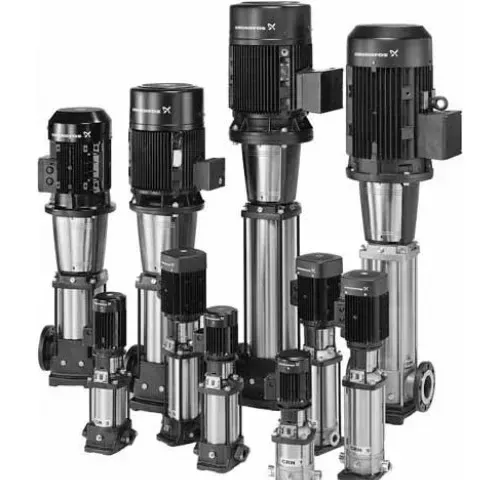
2. Centrifugal Pumps (High Pressure Variants)
Use rotating impellers to increase fluid velocity and pressure.
3. Diaphragm Pumps
Use flexible membranes to move fluids, suitable for handling corrosive or sensitive liquids.
4. Plunger Pumps
A type of reciprocating pump known for very high pressure capabilities.
5. Gear Pumps
Use rotating gears to move fluids, typically for viscous liquids.
6. Hydraulic Pumps
Used in hydraulic systems to generate pressure for mechanical work.
Comparison Table: Common High Pressure Pump Types
| Pump Type | Mechanism | Best For | Key Advantage |
|---|---|---|---|
| Reciprocating | Piston/plunger | Industrial use | High pressure output |
| Centrifugal | Rotating impeller | Water systems | Continuous flow |
| Diaphragm | Flexible membrane | Chemical handling | Leak-free operation |
| Plunger | Reciprocating | Ultra-high pressure | Strong performance |
| Gear | Rotating gears | Viscous fluids | Smooth flow |
| Hydraulic | Fluid pressure | Machinery | Power transmission |
Latest Trends and Innovations in High Pressure Pumps
1. Energy-Efficient Designs
Modern pumps are designed to reduce energy consumption while maintaining performance.
2. Smart Monitoring Systems
Sensors and digital controls allow real-time monitoring of pressure and performance.
3. Advanced Materials
Use of corrosion-resistant and high-strength materials improves durability.
4. Compact and Modular Designs
Smaller, modular systems allow easier installation and maintenance.
5. Noise Reduction Technologies
Improved designs reduce operational noise.
6. Integration with Automation Systems
Pumps can be integrated into automated industrial processes.
Key Features to Consider When Evaluating High Pressure Pumps
1. Pressure Rating
Ensure the pump can handle required pressure levels.
2. Flow Rate
Match the pump’s output with application needs.
3. Fluid Compatibility
Check compatibility with the type of fluid being handled.
4. Material Construction
Durable materials improve reliability and lifespan.
5. Energy Efficiency
Efficient pumps reduce operating costs.
6. Maintenance Requirements
Consider ease of servicing and availability of parts.
7. Noise Levels
Important for indoor or noise-sensitive environments.
8. Safety Features
Look for pressure relief systems and protective designs.
Leading High Pressure Pump Manufacturers
The following companies are recognized for high pressure pump solutions:
| Company | Known For | Public Website |
|---|---|---|
| Kärcher | High-pressure cleaning systems | https://www.kaercher.com |
| Grundfos | Water and industrial pumps | https://www.grundfos.com |
| Flowserve | High-performance pumps | https://www.flowserve.com |
| Sulzer | Industrial pumping solutions | https://www.sulzer.com |
| Cat Pumps | High-pressure plunger pumps | https://www.catpumps.com |
These companies provide technical specifications, product catalogs, and support services.
How to Choose the Right High Pressure Pump
Step 1: Define Application Requirements
Identify the purpose, such as cleaning, fluid transfer, or hydraulic use.
Step 2: Determine Pressure and Flow Needs
Calculate required pressure and flow rate.
Step 3: Evaluate Fluid Type
Consider viscosity, temperature, and chemical properties.
Step 4: Assess Operating Conditions
Check environmental factors such as temperature and exposure.
Step 5: Compare Pump Types
Choose the most suitable design for the application.
Step 6: Review Energy Efficiency
Select pumps that minimize energy use.
Step 7: Consider Maintenance and Support
Choose reliable suppliers with service options.
High Pressure Pump Selection Checklist
- Application defined
- Pressure requirements calculated
- Flow rate determined
- Fluid compatibility checked
- Pump type selected
- Energy efficiency evaluated
- Maintenance needs reviewed
- Safety features confirmed
- Supplier support verified
- Budget planned
Tips for Best Use and Maintenance
- Monitor pressure levels regularly
- Inspect seals and valves for wear
- Use proper lubrication as recommended
- Clean components to prevent buildup
- Avoid operating beyond rated capacity
- Train operators on safe handling
- Schedule routine maintenance checks
Frequently Asked Questions About High Pressure Pumps
1. What is a high pressure pump used for?
It is used to move fluids at high pressure in industrial and commercial applications.
2. How do I choose the right pump type?
Consider application, pressure requirements, and fluid properties.
3. Are high pressure pumps energy-intensive?
They can be, but modern designs focus on energy efficiency.
4. How often should pumps be serviced?
Maintenance frequency depends on usage and manufacturer guidelines.
5. Can these pumps handle different fluids?
Yes, but compatibility must be checked.
6. What safety precautions are required?
Proper installation, pressure monitoring, and protective equipment are essential.
7. How long do high pressure pumps last?
With proper maintenance, they can operate for many years.
Conclusion: A Practical Takeaway
High pressure pumps are essential tools in many industries, enabling efficient fluid movement and high-performance operations. Their ability to handle demanding conditions makes them valuable for applications ranging from industrial cleaning to complex manufacturing processes.
Choosing the right high pressure pump involves understanding pressure requirements, fluid characteristics, and operating conditions. With advancements in technology, modern pumps offer improved efficiency, durability, and control.
When properly selected, installed, and maintained, high pressure pumps provide reliable performance and long-term value, supporting efficient and safe operations across a wide range of industries.