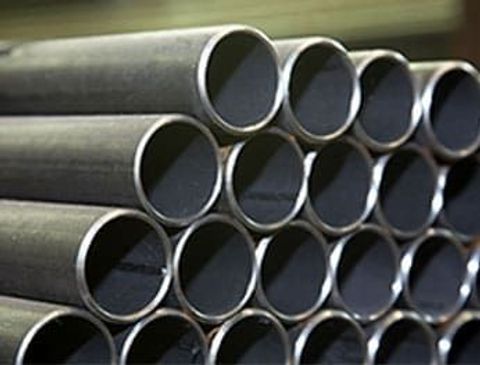
Benefits of Seamless Steel Pipes
1. High Strength and Durability
Seamless pipes have a uniform structure, making them strong and resistant to stress.
2. Pressure Resistance
They can handle high internal and external pressure, making them suitable for demanding environments.
3. Corrosion Resistance
With proper material selection and coatings, seamless pipes resist corrosion effectively.
4. Leak Prevention
The absence of seams reduces the risk of leaks and structural failure.
5. Versatility
They are used in a wide range of industries and applications.
6. Long Service Life
Seamless pipes often last longer due to their structural integrity.
Limitations of Seamless Steel Pipes
1. Higher Cost
Seamless pipes are generally more expensive than welded pipes.
2. Limited Size Range
Manufacturing constraints may limit available diameters and thicknesses.
3. Complex Manufacturing Process
Production requires specialized equipment and expertise.
4. Longer Lead Times
Custom sizes or specifications may take longer to produce.
5. Weight Considerations
Steel pipes can be heavy, affecting transportation and installation.
Types and Categories of Seamless Steel Pipes
Seamless pipes are categorized based on material, application, and manufacturing standards.
1. Carbon Steel Seamless Pipes
Commonly used for general industrial applications due to strength and affordability.
2. Alloy Steel Seamless Pipes
Contain additional elements to improve performance under high temperature and pressure.
3. Stainless Steel Seamless Pipes
Offer high corrosion resistance and are used in chemical and food industries.
4. Hot-Finished Seamless Pipes
Produced at high temperatures, suitable for structural applications.
5. Cold-Drawn Seamless Pipes
Manufactured at lower temperatures for higher precision and smoother surfaces.
6. Precision Seamless Pipes
Used in applications requiring tight tolerances and high accuracy.
Comparison Table: Common Seamless Steel Pipe Types
| Type | Material | Key Feature | Typical Use |
|---|
| Carbon Steel | Basic steel | Cost-effective | Construction, pipelines |
| Alloy Steel | Enhanced steel | High strength | Power plants |
| Stainless Steel | Corrosion-resistant | Durability | Chemical processing |
| Hot-Finished | High-temp processed | Structural strength | Heavy industries |
| Cold-Drawn | Precision finished | Smooth surface | Mechanical parts |
| Precision Pipes | High accuracy | Tight tolerances | Automotive |
Latest Trends and Innovations in Seamless Steel Pipes
1. Advanced Manufacturing Techniques
Modern processes improve precision and reduce material waste.
2. High-Performance Alloys
New alloy compositions enhance strength and corrosion resistance.
3. Digital Quality Control
Automated inspection systems ensure consistent product quality.
4. Sustainable Production
Manufacturers are adopting energy-efficient processes and recycling methods.
5. Coating Technologies
Advanced coatings improve resistance to corrosion and wear.
6. Integration with Smart Infrastructure
Pipes are increasingly used in systems monitored by sensors and digital tools.
Key Features to Consider When Evaluating Seamless Steel Pipes
1. Material Composition
Choose the right material based on application requirements.
2. Pipe Dimensions
Consider diameter, wall thickness, and length.
3. Pressure and Temperature Ratings
Ensure the pipe can handle operating conditions.
4. Surface Finish
Smooth surfaces improve performance and reduce friction.
5. Standards and Certifications
Check compliance with industry standards.
6. Corrosion Resistance
Evaluate environmental exposure and required protection.
7. Mechanical Properties
Strength, hardness, and flexibility are important factors.
8. Availability and Supply
Reliable suppliers ensure consistent quality and delivery.
Leading Companies in Seamless Steel Pipe Manufacturing
The following companies are known for producing seamless steel pipes:
These companies provide technical specifications, product catalogs, and engineering support.
How to Choose the Right Seamless Steel Pipe
Step 1: Define Application Requirements
Identify whether the pipe is for structural, transport, or high-pressure use.
Step 2: Select Material Type
Choose carbon, alloy, or stainless steel based on conditions.
Step 3: Determine Dimensions
Calculate required diameter and thickness.
Step 4: Evaluate Standards
Ensure compliance with industry and safety standards.
Step 5: Assess Environmental Conditions
Consider corrosion, temperature, and pressure factors.
Step 6: Compare Suppliers
Evaluate quality, pricing, and delivery timelines.
Step 7: Plan Installation
Ensure compatibility with existing systems.
Seamless Steel Pipe Selection Checklist
Tips for Best Use and Maintenance
-
Inspect pipes regularly for signs of wear or corrosion
-
Apply protective coatings when necessary
-
Ensure proper installation to avoid stress or misalignment
-
Clean pipes to prevent buildup
-
Monitor operating conditions
-
Replace damaged sections promptly
-
Follow manufacturer guidelines for maintenance
Frequently Asked Questions About Seamless Steel Pipes
1. What is the main advantage of seamless pipes?
They offer higher strength and reliability due to the absence of seams.
2. Are seamless pipes better than welded pipes?
They are preferred for high-pressure and critical applications.
3. What industries use seamless steel pipes?
Oil and gas, construction, power generation, and automotive industries.
4. How are seamless pipes manufactured?
By heating a solid billet and forming it into a hollow tube.
5. Can seamless pipes resist corrosion?
Yes, especially when made from stainless steel or coated materials.
6. What factors affect pipe selection?
Material, pressure, temperature, and application requirements.
7. How long do seamless pipes last?
With proper maintenance, they can last for many years.
Conclusion: A Practical Takeaway
Seamless steel pipes are a reliable and versatile solution for industries that require strength, durability, and high performance. Their uniform structure and resistance to pressure make them suitable for demanding applications where safety and reliability are critical.
Choosing the right seamless pipe involves understanding material properties, application needs, and environmental conditions. With advancements in manufacturing and materials, seamless pipes continue to evolve and meet modern industrial demands.
When properly selected, installed, and maintained, seamless steel pipes provide long-term value by supporting efficient operations and reducing the risk of failure.